
- Why the Gen Z communication style feels so different from older generations.
- How emojis, memes, and speed-texting change the depth of conversations.
- Whether this style is actually killing deep talks—or creating a new kind of connection.
- What psychology reveals about the way Gen Z balances fun vs. meaningful chats.
Once upon a time, texting meant typing out actual paragraphs. People poured their feelings into long messages, carefully adding smiley faces 🙂 for tone.
Now? We’re down to “ok 👍🏻”—and that counts as a full conversation.
Gen Z didn’t kill long texts out of laziness. They reinvented texting into something faster, shorter, and coded. Today’s Gen Z communication style is all about vibes and efficiency, not essays.
This isn’t just a story about “dry texters”—it’s about an entire generation creating a new digital language. And honestly? It’s fascinating.
The Rise of Short, Snappy Texting in Gen Z Communication Style
So why did texting shrink?
- Apps changed the game. Snapchat, Insta DMs, BeReal—they’re built for fast, fleeting messages. Nobody’s writing a novel in there.
- Social anxiety got real. Sending a long message feels risky—what if you overshare? What if they don’t reply the same way?
- Time feels shorter. Gen Z multitasks constantly, so replies are quick pings, not deep dives.
- It’s cultural, not careless. Short texting feels normal in a world that moves fast.
The Rules of Gen Z Communication Style: A Whole New Code
Rule 1: Dry Texting Is a Red Flag
“ok” / “yeah” / “k.” = the text equivalent of a side-eye. But context matters—it could mean boredom… or just someone being awkward.
Rule 2: Emojis Are Tone Indicators 😂😭✨
- “that’s fine.” = kind of hostile.
- “that’s fine 🙂” = passive aggressive.
- “that’s fine 😂” = actually fine.
Emojis are now digital communication trends—the new punctuation shaping tone in ways words alone can’t.
Rule 3: Timing Is the Message
- Instant reply = you’re free or maybe desperate.
- 3-hour delay = casual cool.
- Left on read = heartbreak in one blue tick.
Rule 4: Abbreviations > Full Words
Gen Z doesn’t type “I don’t know.” It’s “idk.”
The shorter it looks, the more effortless and casual it feels.
Rule 5: Screenshots = Group Translation
If you don’t get what someone means, screenshot → send to the group chat → receive 10 different interpretations.
The Psychology Behind It All
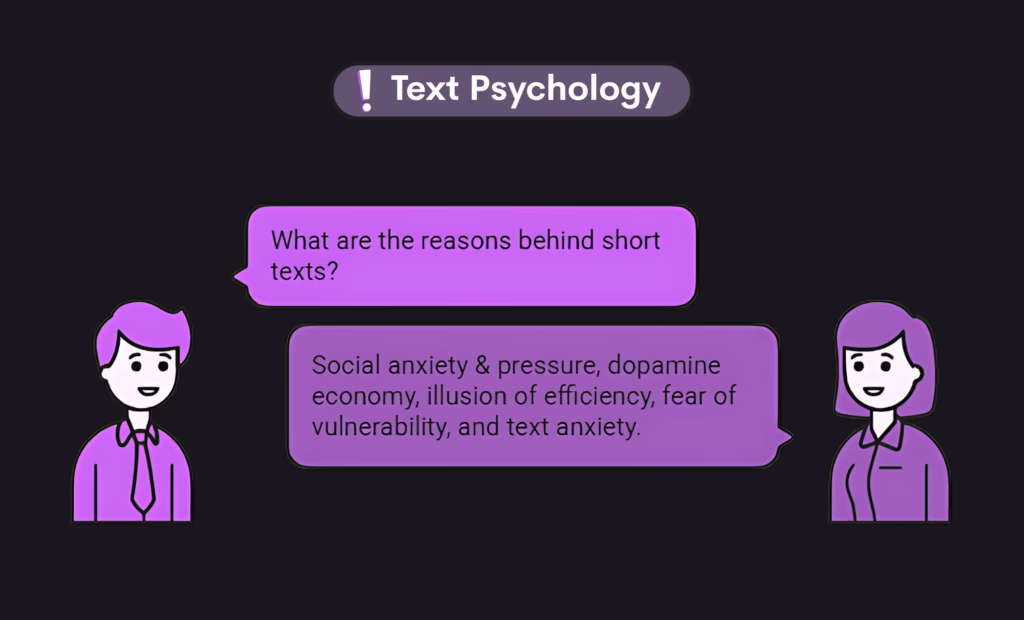
Here’s the reasons behind it:
- Social anxiety & pressure. Long texts feel like over-explaining. Short ones protect your energy. (text anxiety)
- The dopamine economy. Every quick ping = a tiny reward. It’s brain candy, not conversation.
- The illusion of efficiency. People think shorter texts save time, but often they create more back-and-forths.
- Fear of vulnerability. Deep convos risk rejection. A one-word reply? Safe.
Texting isn’t just communication—it’s texting psychology in motion.
The Downsides Nobody Talks About
Let’s be real: this new language isn’t perfect.
- “hbd” culture. Birthdays used to mean heartfelt paragraphs. Now it’s the same two words on repeat.
- Copy-paste replies. Or worse, AI-generated. Feels efficient but empty.
- The death of effort. Relationships risk becoming surface-level.
- Anxiety overload. Did “k” mean “fine” or “mad”? Did no emoji mean cold or just rushed? Miscommunication thrives here.
The Soft Side: Why Deep Conversations Still Matter
Here’s the truth: quick texting keeps things flowing, but deep talks are what actually build connection.
Psychology backs it up—self-disclosure (aka telling people how you really feel) makes friendships and relationships stronger.
So if you find yourself craving a heartfelt late-night chat, guess what? You’re not dramatic. You’re just human.
How to Bring Back the Heart Without Being “Cringe”
- Personalize it. Add details to birthday wishes. It shows you cared.
- Mix formats. Drop a voice note or even a short video—it’s casual but more personal than plain text.
- Save the long ones for the right moments. A “goodnight” paragraph once in a while? Iconic.
Effort doesn’t have to be cringe—it’s refreshing.
The Future of Gen Z Communication Style
- Voice notes are rising. They’re fast, but also emotional.
- Gen Alpha might rebel. They’re already craving “real” convos and longer posts.
- AI auto-replies. Coming soon to make conversations even stranger. Imagine: your friend’s “ok 😂” wasn’t even typed by them.
Want to dive deeper into Gen Z’s online habits? Check out this article—where we explore why Gen Z is online 24/7 on Insta and Snap, but barely touches apps like WhatsApp.
Conclusion: The New Rule of Gen Z Communication Style? Mix It Up.
Texting isn’t dying—it’s evolving. Gen Z turned it into a new language: short, emoji-filled, vibe-based.
But here’s the catch: balance is everything. Use the snappy stuff for speed, and sprinkle in the deeper convos when it matters.
Text like a Gen Z, but love like a human.
Frequently Asked Questions
Gen Z’s messaging style is fast, casual, and emoji-heavy, often using memes, abbreviations, and snaps instead of long texts. They prefer short, playful communication that feels authentic and effortless.
Gen Z people often talk in slang, humor, and internet-inspired phrases, mixing lowercase texting with reaction memes and emojis. Their style focuses more on vibe and relatability than on grammar or formality.
Typical Gen Z behavior includes multitasking online, favoring visual platforms like Instagram and Snapchat, and prioritizing quick interactions (stories, DMs, comments) over long conversations. They value authenticity, speed, and shared cultural references.
Gen Z texts in lowercase to appear chill, casual, and non-formal. The style signals effortless authenticity, making messages feel softer and less intense compared to traditional capitalization.
Gen Z often avoids phone calls because they feel more pressure and less control compared to texting. Calls require immediate responses, tone management, and social energy, while texting or snapping gives them time to think, edit, and keep it casual.