- How brain dopamine drives your social media habits—and why one scroll becomes ten.
- Easy micro-reward hacks to outsmart tech without quitting your apps.
- How to gamify your control and reclaim focus in a fun, psychology-backed way.
- Why understanding your brain’s reward loops can make scrolling smarter, not harder.
It’s 2 AM… and You’re Trapped
It’s 2 AM. You’re on your phone. One scroll becomes ten, ten becomes an hour, and suddenly, it’s tomorrow.
We’ve all been there—doomscrolling through headlines, stories, or social feeds, feeling the tiny twinges of anxiety, FOMO, and that subtle guilt of wasted time. It’s addictive. It’s exhausting. And here’s the kicker: I didn’t quit tech. I learned its tricks, then turned them on myself.
This article isn’t just about willpower or “just stop scrolling.” It’s about using the brain dopamine science behind apps to hack your own habits, take back control, and even have fun doing it.
What Is Doomscrolling & How It Uses Brain Dopamine
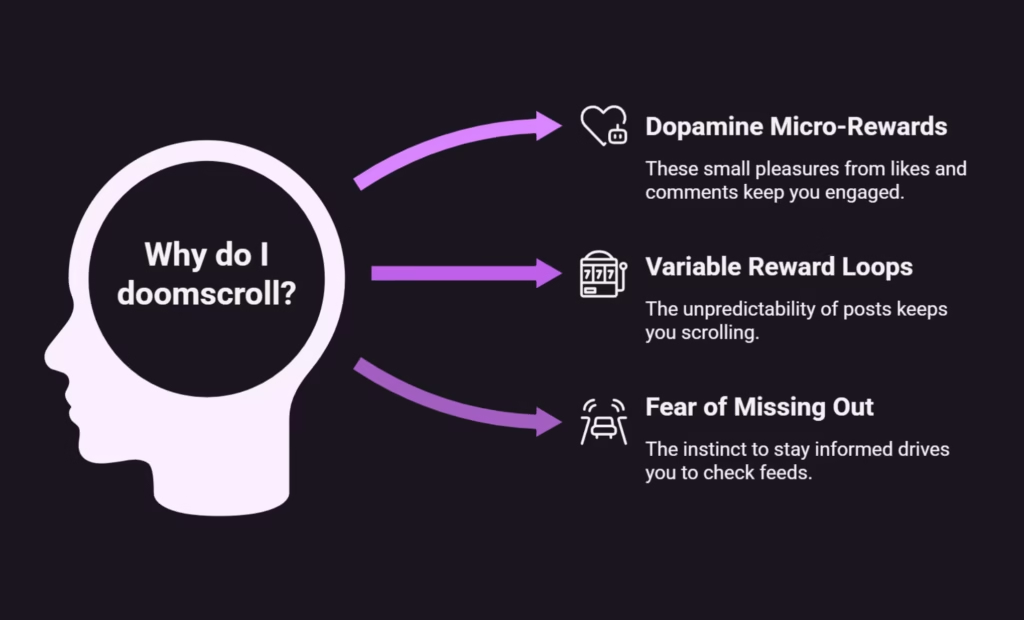
Doomscrolling is when you endlessly scroll through negative news or social feeds, even when it stresses you out. It feels like hunting for information, but your brain’s actually hooked on tiny rewards.
The psychology is simple—and sneaky:
- Dopamine micro-rewards: Likes, comments, or shocking headlines give tiny hits of pleasure. Your brain loves them.
- Variable reward loops: Like a slot machine, you never know what the next post will bring—surprise equals dopamine.
- Fear of missing out (FOMO): Our brain evolved to scan for threats and opportunities; social media hijacks this instinct.
Example? You open your feed for “just one post,” refresh Insta stories, skim a TikTok trending page… and suddenly an hour has vanished. Your brain thinks it’s hunting, but really it’s trapped.
Tech’s Secret Playbook for Brain Dopamine: Mini Reward Loops & Visual Tricks
Tech companies aren’t evil—they’re just brilliant at understanding your brain dopamine circuits. Here’s what they use to hook us:
- Infinite scroll & auto-play: Feels like progress, but you never “finish.” Each new post is a tiny surprise reward.
- Notifications: Ping! Your attention is grabbed like a magnet.
- Pattern shifts & novelty triggers: Different colors, trending sounds, and streaks keep dopamine firing.
Examples you know: Instagram streaks, TikTok trending pages, YouTube autoplay queues. Each element is designed to exploit your brain’s love of variable rewards.
Hijacking the System: How I Rewired My Brain Dopamine
Now, here’s the fun part: turning the system on itself—using the same psychology apps rely on—but for self-control instead of distraction.
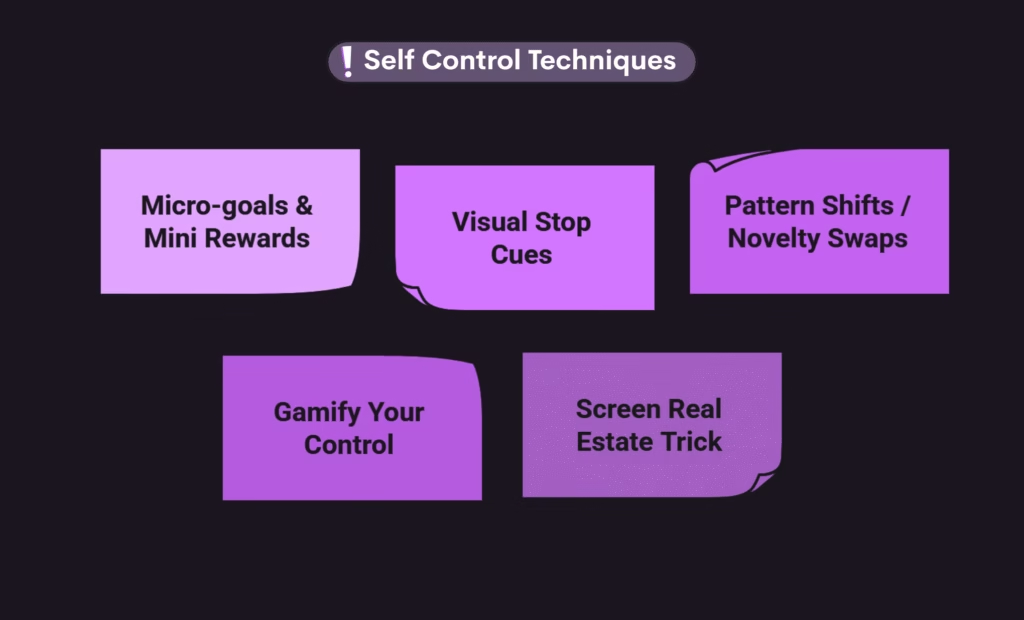
Micro-goals & Mini Rewards
Allow yourself 3–5 stories, then reward yourself with a sip of coffee, a doodle, or a stretch.
Your brain loves predictable, small wins—the same loops apps use to keep you hooked, now working for you.
Visual Stop Cues
Change app colors, place a sticky note near your phone, or use a subtle timer.
These cues act as mini “pause buttons” for your brain. Before your finger reflexively scrolls, your mind registers the signal.
Pattern Shifts / Novelty Swaps
When the scroll compulsion hits, replace it: do 1 push-up, write a line in your journal, or take a deep breath.
Interrupting the loop resets your dopamine feedback and gives your brain a tiny sense of novelty—without doomscrolling.
Gamify Your Control
Create a scoreboard: “3 scrolls = 1 point, 10 points = reward.”
By gamifying self-control, you tap the same reward circuitry that apps exploit—except this time, it’s for you.
Screen Real Estate Trick
Move addictive apps into folders or the second page. Out of sight = less mindless scrolling.
Combine these, and you’re effectively rewiring your brain to enjoy focused dopamine hits, without letting tech run the show.
Psychology Behind the Hacks (Fun & Scientific)
Why does this actually work? Here’s the science:
- Behavioral conditioning: Small wins + clear feedback loops teach your brain a new habit.
- Decision fatigue reduction: You save mental energy by pre-structuring micro-tasks—no “just one more scroll” moments.
- Gamification of self-control: Your brain loves scoring points, even if it’s yourself you’re competing against.
Example: that “1-minute TikTok check” becomes a 3-minute micro-task like journaling. Same dopamine thrill, zero doomscroll guilt.
Everyday Applications & Tricks
Here’s how to make these tricks stick:
- Replace doomscrolling: Swap feeds for rewarding micro-tasks: mini workouts, journaling, or brain games.
- Visual dashboards: Track phone usage and set goals—a mini reward loop for monitoring yourself.
- Subtle nudges: Reorganize your home screen, put notifications in folders, or use color-coded cues for attention control.
Try this today:
- Move your top 3 distracting apps to a hidden folder.
- Set a sticky note reminder for “pause & breathe” on your desk.
- Reward yourself with a coffee after finishing a 5-minute micro-task instead of scrolling.
The Results & Reflection
After a week, I noticed:
- More focused time and less mental clutter.
- A sense of control over my day instead of feeling pulled by feeds.
- Fewer wasted hours—my dopamine loops were now working for me, not tech.
This doesn’t mean you quit social media—it’s about awareness, strategy, and self-compassion. The goal is smart interaction, not isolation.
Curious about whether you’re deep scrolling or doomscrolling? Check out “Are You Deep Scrolling or Doomscrolling? Your Feed, Your Fate” for more insights and tips!
Conclusion
Doomscrolling doesn’t have to rule your life. By understanding brain dopamine circuits, using gamified micro-tasks, and creating visual cues, you can outsmart the very apps designed to hook you.
Experiment. Observe. Reward yourself. Micro-hacks can turn tech from distraction into ally.
Frequently Asked Questions
Social media triggers tiny hits of dopamine, the brain’s “feel-good” chemical, making you crave likes, comments, and new content. It can boost short-term pleasure but also increase anxiety, FOMO, and distraction if used excessively.
Totally! Reels, TikToks, and short videos are designed as mini reward loops—each new clip gives a tiny dopamine hit, keeping your brain hooked and scrolling for more.
Set micro-goals (like 3–5 videos, then a break), use visual stop cues, and gamify your self-control. Essentially, hijack the same dopamine loops tech uses on you—but for your benefit.
Try pattern shifts: take a deep breath, write a quick journal entry, or move your body. These actions interrupt automatic scrolling and help your brain reset.
Identify triggers (notifications, boredom), then replace automatic scrolling with a mini-task or reward. Gradually, your brain learns a new, healthier loop without giving up tech completely.