
- Why your social media mindset matters more than you think
- How toggling between Inspiration vs Reality Mode could change your scrolling game
- The psychology behind choosing what content fuels your mental health
- What thoughtful psychology in UX design means for your digital well-being
The Scroll Problem We All Feel
Ever scrolled through someone’s perfect feed and suddenly felt like your social media mindset is spiraling?
You know the drill: glowing skin, spotless apartments, Paris-in-the-springtime vacations… and you’re in your pajamas reheating last night’s pasta.
It’s not just you. Research shows that comparison scrolling, where you stack your real life against someone’s highlight reel—can spike anxiety, erode self-worth, and leave you feeling like you’re falling behind in the game of life.
But lately, there’s a softer shift happening: the Healthy Pleasure Movement.
Instead of strict digital detox rules and endless productivity hacks, this is about sustainable joy—using the internet in ways that feel nourishing, not punishing.
And here’s a thought: what if you didn’t need to quit scrolling to feel better?
What if a simple toggle could change your entire social media vibe?
That’s the idea behind the proposed Inspiration vs Reality Mode feature—a UX design experiment that could change how we interact with content online.
Before we get into it, let’s understand why we compare in the first place.
Social Comparison Theory in a Scroll-Obsessed World
Social Comparison Theory says we naturally measure ourselves against others to evaluate our worth, abilities, and progress.
But in the age of curated perfection, the scale is skewed. You’re not comparing your Tuesday afternoon to someone else’s Tuesday afternoon—you’re comparing it to their most photogenic two seconds of the month.
The paradox?
Gen Z wants it both ways: hyper-polished, aesthetic content and messy, relatable, “no-makeup” moments. The result? Feeds that swing between aspirational and raw, creating emotional whiplash.
What Is the “Inspiration vs Reality Mode” UX Idea?
This isn’t just a Pinterest mood board fantasy—it’s based on a real research paper proposing two modes for how we scroll:
- Inspiration Mode
Your feed is filled with curated, aesthetic content—think dream vacations, runway outfits, and perfectly plated meals.
Perfect for when you’re feeling motivated, creative, or just want pretty visuals. - Reality Mode
Here you see raw, behind-the-scenes, honest posts—like unedited selfies, messy kitchens, or creators talking about their bad days.
Perfect for when you need connection over comparison.
Instead of a one-size-fits-all feed, you’d pick the vibe you want in the moment.
The researchers frame this dual-mode prototype as a well-being tool—one that lets you match your scrolling environment to your emotional state. In theory, that’s like giving your brain an adjustable filter for self-esteem.
Why This Matters for Social Media Mindset
Let’s be real: both Inspiration and Reality have their perks—and their risks.
Inspiration content can motivate you to try new things, push creative limits, and dream bigger. But it can also lead to overwhelm and “I’ll never be good enough” spirals.
Reality content builds empathy, reminds you nobody’s perfect, and shrinks the gap between “me vs them.” But if overdone, it can sometimes normalize unhealthy behaviors or slip into unfiltered negativity.
This toggle matters because it gives you back control. Instead of algorithms guessing what you need (and often getting it wrong), you’d actively choose your mindset.
The mental health link is clear:
- Idealized health and beauty content has been tied to increased pressure, body dissatisfaction, and self-comparison—especially among teens and young women.
- Authentic content, when genuine, helps reduce harmful comparison and boosts self-acceptance.
Authenticity here isn’t just a buzzword—it’s a digital survival skill.
Could This Actually Exist on Social Media?
Technically? Totally.
Platforms already sort content using algorithms and filters. This would just be a UX feature—think “Dark Mode,” but for your emotions.
Implementation could involve:
- Hashtag detection (e.g., #nofilter, #BTS, #unedited)
- AI image recognition to detect edited vs unedited visuals
- Creator tagging for “reality” content
The beauty of it? It’s mood-sensitive scrolling—feeds that adapt to how you feel, not just what you’ve clicked on in the past.
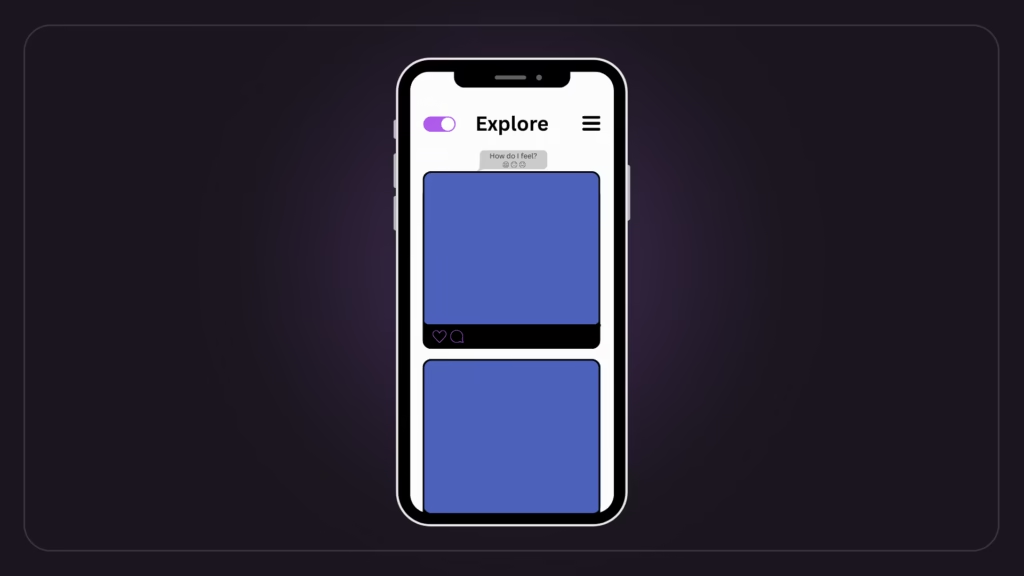
What If We Could Choose What We See?
Picture this: You log in after a long, draining day and choose “Reality Mode.”
Your feed fills with cozy kitchens, quiet walks, messy desks, and creators sharing their real stories.
The next morning, feeling energized? Flip to “Inspiration Mode” for color, style, and big ideas.
The research team even tested a version of this idea with Korean MZ generation users (Millennials + Gen Z).
- They ran surveys, think-aloud sessions, and emotional scenario tests to see how people reacted to each mode.
- One planned test is the “guess the mode” task—where participants will be shown posts and asked to identify whether they belong in Inspiration or Reality Mode. If most people can tell instantly, it would mean the modes feel clear and distinct.
Would This Help Everyone’s Social Media Mindset?
Potential game-changers:
- Teens who struggle with body image and comparison
- Creators dealing with burnout
- Neurodivergent users who need low-stimulation feeds at times
By offering a choice, this toggle could empower users to shape their social media environment for mental wellness. That’s a huge shift from the current algorithm-first design.
But Let’s Get Real: The POV
While the research is promising, there are a few thoughts to keep in mind:
- Culture Check:
Would users in other cultures or older age groups respond the same?
In some places, aspirational content is the main draw, and “reality” might not feel as appealing. - What Counts as Reality?
Realness is subjective.
Is a #nomakeup selfie still “reality” if it’s perfectly lit and filtered? Could trolls or low-quality negativity slip into Reality Mode? - Avoidance vs Growth:
If people only choose Reality Mode, are they avoiding the discomfort that comes with growth and aspiration?
Sometimes the best personal growth happens when you face the “ugh” feelings—and push through.
Want to learn more about how UX shapes our social media experience? You’ll love this!
Final Thoughts: UX Design That Helps Our Social Media Mindset
We don’t need less internet—we need kinder internet.
The Inspiration vs Reality Mode toggle is more than just a neat idea—it’s a reframe of how we think about online spaces.
Instead of endless, algorithm-driven scrolls, we’d get intentional, mood-aware feeds.
Imagine logging in and saying:
“Today, I want peace—not perfection.”
Or:
“I’m ready for sparkle—show me the glow.”
The bottom line? This research supports a shift toward platforms that care—about mental well-being, about user happiness, and about making the digital world feel a little softer.
Your turn:
If you had Reality Mode right now… what would your feed look like?
Would you use this feature, or stick with the wild west of the algorithm?
Frequently Asked Questions
Designers can make experiences that are easy for people to use and interesting by learning about psychology. This helps them make experiences that are intuitive and lead people to act and pay attention.
UX psychology uses concepts of human behaviour to study how people interact with technology with the goal of making those interactions natural, fun, and useful.
Using balance, hierarchy, and spacing to make material easy to read and explore is what it means to arrange things visually in a way that matches how our brains process information.
A social media habit is a behaviour that you do over and over again, like liking posts or looking through feeds. You may do it automatically because of emotional needs or the way the platform is designed.
Digital behaviours are the things that people do online, like surfing the web, sharing, and leaving comments. These behaviours are shaped by technology, psychology, and social trends.