
- What sadfish (sadfishing) is and why teens and young adults do it online
- How posting vulnerability on social media affects self-image and long-term self-esteem
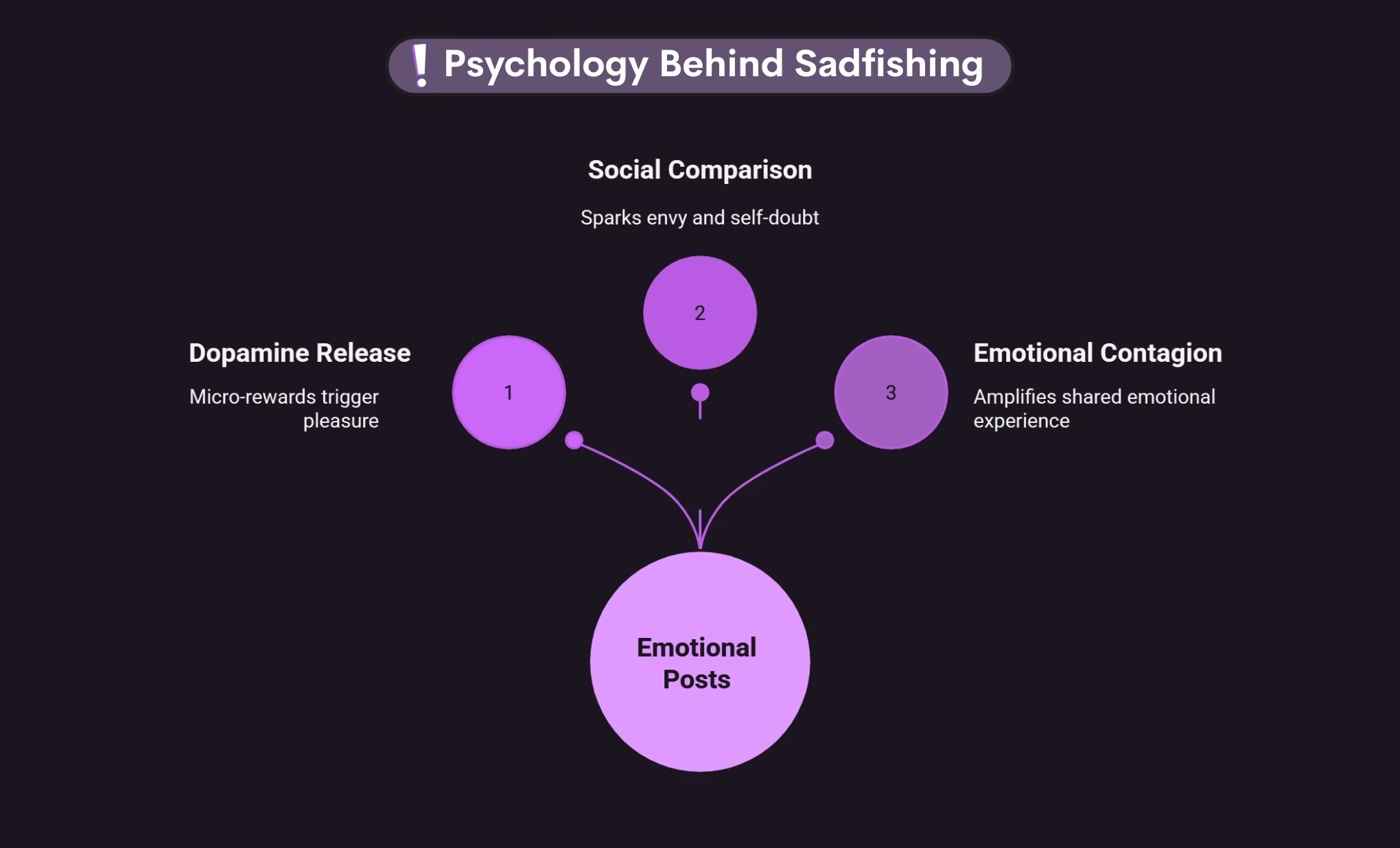
- The psychology behind sadfishing: dopamine, social comparison, and emotional contagion
- How to balance online emotional sharing with real-life connection and support
- Gentle strategies to cope with your feelings online and offline without letting likes define your worth
It’s a quiet morning. You’re sipping coffee, scrolling through Instagram or TikTok, and then—you stop. There’s a tearful story, a selfie with a sad face, and hundreds of likes and comments. For a brief moment, it feels comforting. Someone sees it. Someone could see you.
This is sadfishing in action—when posting sadness online is less about sharing and more about being noticed, being heard, even if it’s just through tiny hearts and supportive emojis. And it’s everywhere. Teens, young adults, even older users sometimes dip into this trend, whether they realize it or not.
Dr. Joe Bailey of TriHealth Pediatrics explains: “Sadfishing is a trend whereby a person, mainly teens and young adults, use social media to garner attention and sympathy by telling typically an exaggerated story about themselves or their situation.” It’s subtle. Emotional oversharing online can give short-term engagement, but research shows it doesn’t boost long-term self-esteem.
A meta-analysis by Sarmiento et al. (2018) found that adolescents who feel lonely are often more emotionally invested in social media. They might rely on it to feel socially connected or supported—but this dependence can make them more vulnerable to depressive symptoms.
The takeaway? Feeling seen online is nice—but your likes and comments aren’t a substitute for real, grounded self-worth.
What is Sadfish?
Let’s unpack it gently. Sadfishing isn’t just posting about a bad day—it’s when sadness, vulnerability, or emotional struggle is shared with the goal of attention or sympathy. It’s the intention behind the post that matters.
Compare:
- “Feeling so alone 😢 anyone else?” → classic sadfish
- A story about your week, shared honestly in a private chat → authentic sharing
A survey from Paw Research shows that 45% of teens feel overwhelmed by drama on social media. About 40% feel pressure to post content that looks good or gets lots of likes and comments. Some 26% say social media makes them feel worse about their life. The pressure to be seen, to measure up, is real—and it’s normal to seek connection.
Acknowledging this helps us see why sadfishing exists without shaming anyone. We all want to feel understood—it’s human.
The Psychology Behind Online Sadfish
Why do we respond so strongly to emotional posts online? Let’s gently peek behind the curtain.
Dopamine micro-rewards: Each like, comment, or supportive emoji triggers a tiny burst of pleasure in your brain. These small hits feel comforting and can make it tempting to post more, scroll more, refresh more.
Social comparison: When we see reactions to someone else’s sad post, we naturally compare ourselves. “Why did their post get so many comments? Is my story less worthy?” This can spark FOMO, envy, or self-doubt.
Emotional contagion: According to the British Psychological Society, when people experience emotions, they share them with others 88–96% of the time (Rimé, 2009). Online, this amplifies. Seeing others’ sadness can echo in your own mood, sometimes creating a loop of low-energy feelings.
Real-life scenario: You post a sad selfie. You wait, maybe refreshing every few minutes. Relief when the comments appear—but also anxiety. Did they “get it”? Did they care? That push-and-pull is at the heart of sadfishing psychology.
Being aware of these patterns doesn’t make you less human. It just helps you step back and notice what’s really happening when you post.
Sadfishing and Self-Image
Posting online can feel validating. But here’s the catch: it can also warp self-image. When your worth becomes tied to likes and comments, the line between real value and digital attention blurs.
Frequent emotional oversharing correlates with lower self-acceptance. Illinois WorkNet explains it like this: “When we’re heavily involved in social media and oversharing, we play a game of social comparison. It can lead to depression, low self-esteem, and jealousy. Feeling like you have to share every detail to appear ‘interesting’ feeds into those feelings.”
Likes and comments give short-term boosts, but they don’t build long-term self-esteem. Reflection matters. Pause before posting: are you sharing for expression, for attention, or for validation?
It’s okay to be honest online. It’s healthy to let feelings out. But noticing your motivation protects your self-image, helping you stay grounded even in a scroll-happy world.
Social Media Validation vs Real-Life Connection
Not all attention is equal. A DM from a friend who truly listens is often more comforting than hundreds of generic “love you” comments.
Try this mini-framework:
- Notice: Pause. Why do you want to post?
- Reflect: Will it help your well-being or just satisfy your need for likes?
- Seek real support: A conversation with someone who truly gets you matters more than digital applause.
Micro vs meaningful impact: one heartfelt exchange can sustain your mental health better than a viral post ever could. Social media isn’t bad—but real-life connection nurtures self-worth in ways likes can’t touch.
Sadfish: The Risks of Over-Engaging
Posting too much for attention can backfire:
- Burnout: Constantly sharing emotions online is draining.
- Comparison spiral: Seeing others’ responses can trigger insecurity or jealousy.
- Misinterpretation: Online empathy is limited. Comments may be performative or misunderstood.
It’s easy to fall into a loop: post → wait → refresh → adjust → repeat. Awareness gently breaks the cycle.
How to Post Emotionally Without Hurting Self-Image
Being honest online is okay—but here’s how to protect your self-image while sharing:
- Mindful sharing: Pause. What’s the intention behind your post?
- Seek real-life support: Friends, family, or therapists can provide deeper care than comments ever will.
- Balance: Combine online expression with offline coping—journal, draw, walk, or call a friend.
- Gratitude check: Focus on moments and people that lift you, not just posts that attract attention.
It’s a soft nudge: you can be vulnerable without giving your worth to a feed. Small shifts—like posting selectively or connecting offline—make a big difference. Emotional honesty online is powerful—but only when paired with real-world care.
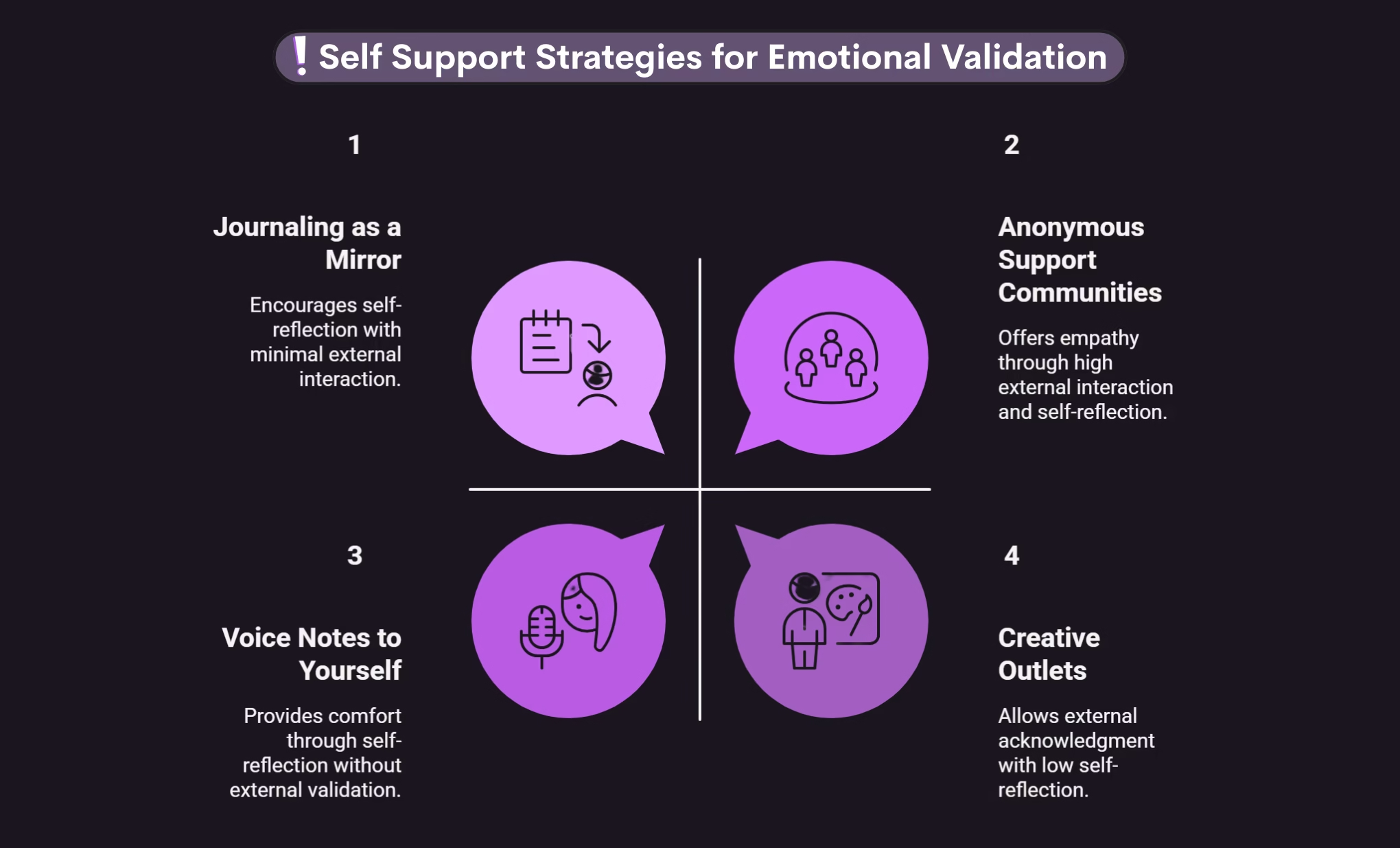
Feeling Heard Without a Friend: 5 Gentle Ways to Share Emotions Safely
Not everyone has a close friend or someone to vent to, and that’s okay. If you post online to feel seen, there are other ways to get support without letting sadfish define your self-worth.
- Journaling as a Mirror
Write honestly about your feelings, acknowledge them, then read it back. It’s like talking to someone who listens without judgment. You can even reply to your own entries with sweet, encouraging notes. - Voice Notes to Yourself
Record your thoughts or feelings aloud, then listen later. It can be surprisingly validating to hear your own voice comfort you. - Anonymous Support Communities
Platforms like mental health forums or anonymous chat apps allow you to share emotions and get empathy without attaching your identity. - Creative Outlets
Turn feelings into art, music, or poetry. Sharing the finished piece, even privately, gives you acknowledgment from yourself and can feel deeply satisfying. - Scheduled “Self-Sharing” Moments
Dedicate 10–15 minutes a day to process feelings—through journaling, meditation, or mindful scrolling. It creates a safe space for emotions without relying on likes or comments.
Gentle reminder: Feeling seen is natural. You don’t need validation from others to feel valid. These practices help you honor your emotions while building self-compassion.
Want to learn more about social media clout and self worth online? You’ll love this article.
Conclusion
Sadfish on social media can make you feel seen, but lasting self-worth comes from authentic connection, self-reflection, and offline growth. Pause before posting. Notice your motivation. Redirect energy into meaningful actions.
Your feelings matter—but your value isn’t measured in likes. Build your world, not just your feed. Likes fade, but the relationships you nurture, the skills you develop, and the self-acceptance you cultivate last.
Focus on emotional honesty, online empathy, and real-life growth. Treat yourself kindly, and your self-image will thrive—beyond the scroll, beyond the feed.
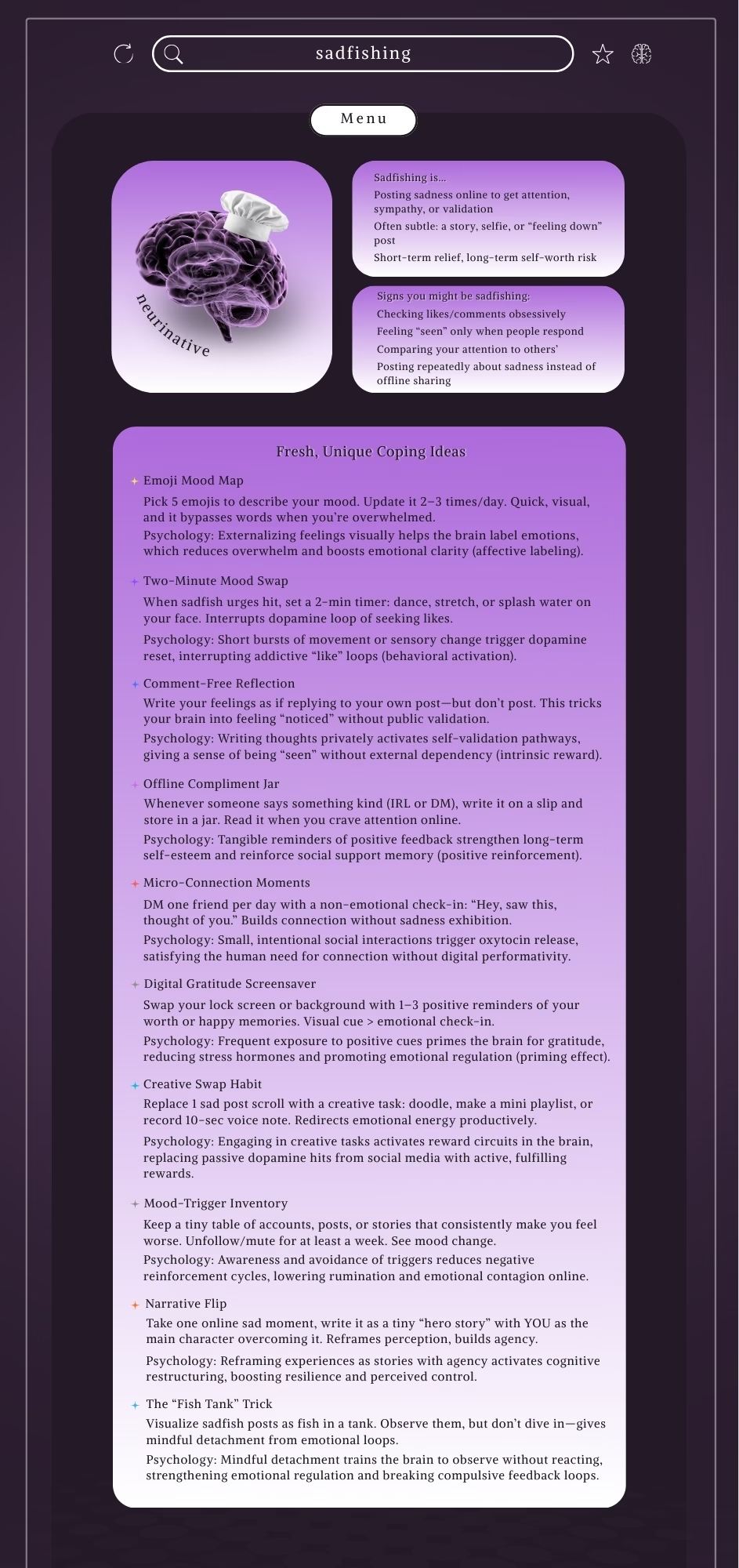
Thanks for reading this far! Here’s a little downloadable infographic with extra tips to help you cope with those scrolling feels and keep your heart happy.
Frequently Asked Questions
People sadfish because they’re looking for connection, validation, or empathy. For some, it’s about getting attention; for others, it’s the only way they feel seen when no one listens offline. Sadfishing psychology shows that likes and comments can feel like quick comfort, even if the support is shallow.
Not always. While some people may exaggerate emotions to gain sympathy, many sadfish simply because they’re struggling and don’t know where else to turn. It’s less about manipulation and more about unmet emotional needs.
Attention-seeking often comes from a craving for validation or fear of being invisible. The brain rewards us with dopamine when others respond to our posts, which can reinforce the habit. In sadfishing, the attention temporarily soothes feelings of loneliness but doesn’t replace deeper connection.
Posting sadness online can be a cry for help, a way to process emotions publicly, or an attempt to feel less alone. Some people use it as a digital journal, while others hope for comments like “you’re strong” or “you’ve got this” because real-life support is missing.
Try creating healthy digital boundaries: mute accounts that drain you, schedule intentional scroll time, or replace doomscrolling with uplifting content. Off-screen, journaling, hobbies, and talking (even to yourself through voice notes) can release stress. Remember—your value isn’t measured in likes.