
- Why online fame and digital clout aren’t the same as real happiness.
- The difference between resume values (likes, followers) and eulogy values (character, relationships, long-term fulfillment).
- How social media clout affects your mind, motivation, and self-worth.
- Practical ways to redirect online comparison into real-life growth.
- Tips to enjoy social media without letting it harm your mental health.
It’s a quiet morning. You pour your coffee, settle in, and pick up your phone. One scroll becomes two, then ten. Your feed is full of friends landing promotions, someone posting photos from a dreamy vacation, another person’s project going viral. And you sit there, sipping your coffee, thinking: Am I doing enough?
This is the world of online fame. Social media keeps us glued to social media clout—likes, comments, followers, and attention. It feels like a scorecard, but it doesn’t measure happiness.
No wonder 57% of young people say they want to be influencers. Our feeds are designed to pull us in, and it’s easy to get caught up. But chasing digital attention alone rarely brings fulfillment. Real joy grows from the relationships you nurture, the skills you develop, and the character you build—things that rarely make it into a story or a post.
Resume Values vs Eulogy Values
Social media nudges us to chase resume values—achievements you can display: awards, followers, viral content. But the things that really matter—the eulogy values—are deeper: kindness, courage, honesty, and the connections you make.
David Brooks, in The Road to Character, explains how social media exaggerates the focus on resume values. Think of an influencer with 100k followers. On screen, life looks perfect, but behind the posts, there may be stress, burnout, or loneliness.
It’s normal to admire highlight reels. Awareness is the first step. Ask yourself: are you chasing social media clout, or investing in real-life growth? Recognizing this difference protects your energy and keeps your focus on what truly matters.
The Psychology of Online Clout
Ever notice how social media keeps you checking your phone? That’s social comparison psychology in action.
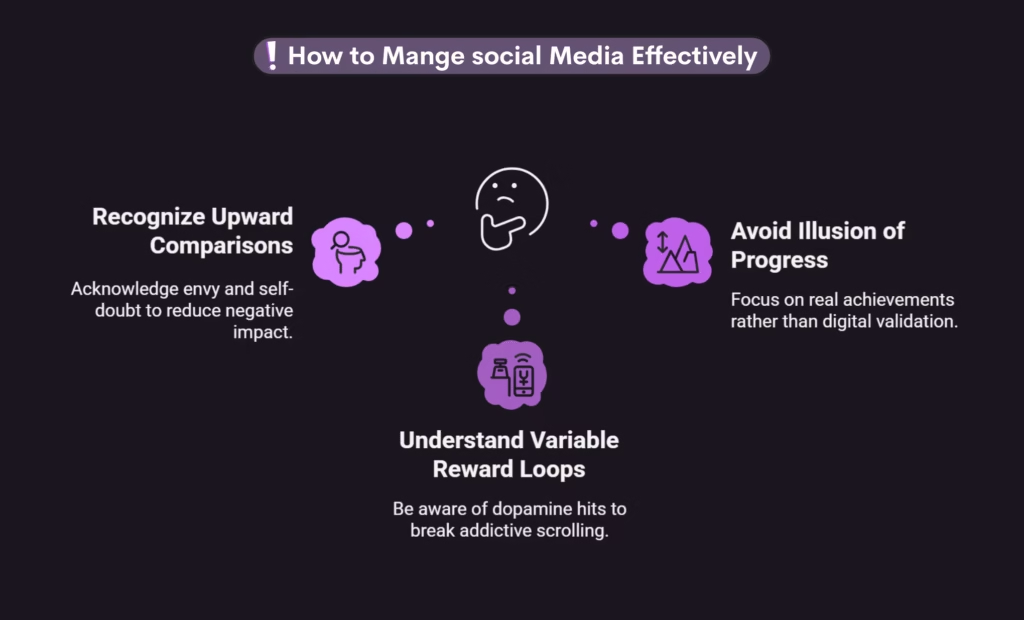
- Upward comparisons: Seeing someone achieve your dreams can spark envy, self-doubt, or FOMO.
- Variable reward loops: Likes, comments, shares—tiny dopamine hits that make scrolling addictive.
- Illusion of progress: Endless scrolling tricks your brain into thinking you’re achieving more than you really are.
In a 2025 survey, 47% of young people said they feel pressure to look good online, and 41% feel pressure to fit in socially. Every swipe is a carefully curated highlight reel. Refreshing your post for likes feels exciting—but it’s fleeting. Understanding this can help you separate digital clout from meaningful accomplishment.
How Online Clout Can Hurt Happiness
Focusing too much on social media clout can hurt your well-being. Studies show that comparing yourself to others on social media shapes how satisfied you feel with life (Diener, Oishi, & Tay, 2018).
- Assimilation: Sometimes, comparison inspires admiration or motivates self-improvement.
- Contrast: Other times, it makes you feel inadequate or resentful.
The “digital highlight reel effect” sets impossible standards. Perfect posts impress, but rarely show effort, struggles, or failures. Research shows that frequent upward comparison can increase anxiety, lower self-acceptance, and even contribute to depression (BMC Psychiatry). Social media itself isn’t bad—it’s how we respond that counts.
Recognizing the Difference Between Social Media Clout and True Value
Likes, followers, and comments feel nice—but they’re not the same as real fulfillment.
- Micro vs meaningful impact: Temporary attention doesn’t replace real growth.
- Short-term applause vs long-term satisfaction: Viral moments fade, but skills and relationships endure.
Reflection prompt: “Am I chasing approval or actual growth?”
Mini-framework:
- Identify: Notice what attention you’re seeking online.
- Reflect: Does it align with your goals?
- Redirect: Focus on offline actions that build real skills, relationships, or character.
For example, an artist might obsess over likes, but real growth comes from hours spent developing craft offline. Recognizing this helps prioritize real-life growth over digital fame.
Turning Social Media Clout Awareness Into Real-Life Growth
Awareness of social media clout can guide positive change:
- Mindful social media usage: Schedule time, silence notifications, take breaks.
- Offline micro-goals: Invest in hobbies, skills, meaningful projects.
- Gratitude journaling: Focus on real-life moments, not attention metrics.
- Collaboration > competition: Learn from admired people without letting comparison undermine confidence.
Research backs this: strong social relationships improve mental health and overall well-being (Shyam Bishen, World Economic Forum). Small, consistent actions—like spending an hour on a craft, connecting with friends, or learning something new—matter more than hundreds of likes.
The Dark Side of Chasing Social Media Clout
Obsessing over digital clout can drain you. Frequent upward comparisons are linked to lower self-acceptance and higher depression risk (BMC Psychiatry). Passive scrolling, focused on others’ highlight reels, can amplify envy and feelings of inadequacy.
The reminder: social media isn’t the problem—it’s habits and mindset. Are you scrolling for inspiration or validation? Even small changes in perspective can protect your well-being.
Conclusion
Online fame is fun—but it’s not real happiness. True satisfaction comes from eulogy values: the person you’re becoming, the relationships you nurture, and the skills you develop.
Next time you feel “less than” online, pause. Reflect. Decode your feelings. Redirect energy into meaningful action. Likes fade—but the life you’re building lasts. Focus on real-life growth, and your character, relationships, and accomplishments will outshine any highlight reel or social media clout metric.
Frequently Asked Questions
Social media clout is basically the attention, likes, followers, and influence you get online. It’s the “digital points” that measure how much people notice you—but it doesn’t always reflect real-life happiness or accomplishments. Think of it as your online resume, not your life resume.
Social media is curated. It’s highlight reels, filtered moments, and snapshots of people’s lives. Real life? That’s messy, unfiltered, and full of growth, relationships, and challenges. Online, you might get applause for a photo—but offline, joy comes from meaningful moments, learning, and connection.
Reels are the flashy, polished, scroll-stopping content—perfectly edited, entertaining, or dramatic. Real life is everything behind the scenes: the effort, the mistakes, the quiet wins. Comparing yourself to reels is like judging a movie by a 15-second trailer—it rarely tells the whole story.
Social media traps you with endless scrolling, likes, and notifications—tiny dopamine hits that make you want more. Upward comparisons, FOMO, and the illusion of constant progress keep your brain hooked. You might feel “behind” even if your life is full of achievements offline. Awareness is the key to breaking the trap.
Eulogy values are the qualities people remember about you when you’re not around: kindness, courage, honesty, the relationships you nurture. Unlike resume or digital fame metrics, these values create lasting satisfaction and happiness. Basically, likes fade—but eulogy values leave a legacy.